
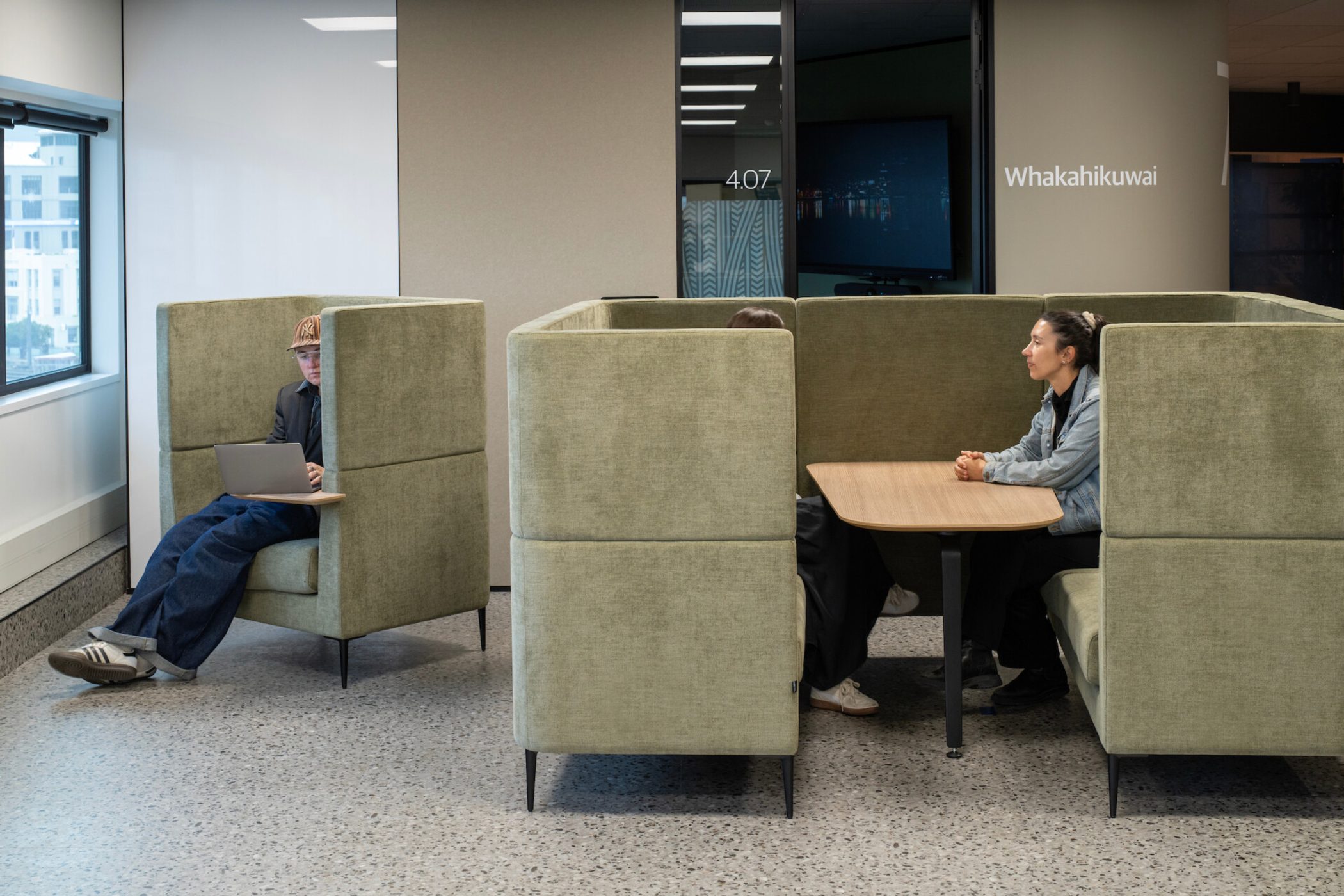
Here is what is shaping NZ workplace design in 2026 and what it means for the furniture decisions organisations are making right now.
In 2026, successful workplaces won’t just look good, they’ll be flexible, ergonomic, technology-ready and designed around how people actually work.
Here’s what’s shaping New Zealand offices and how smart furniture choices can help organisations stay ahead.
Hybrid work has changed what offices are for
The office is no longer primarily a place to do individual work. For most hybrid teams, that happens at home. What the office needs to do now is provide something home cannot. This is spontaneous collaboration, social connection, access to better technology, and a shared sense of culture and belonging.
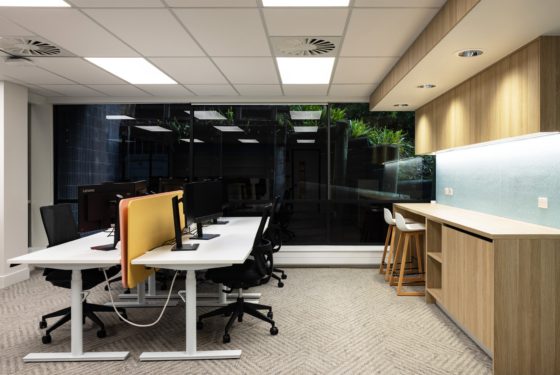
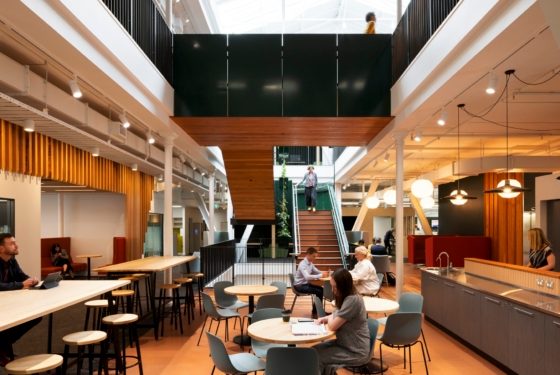
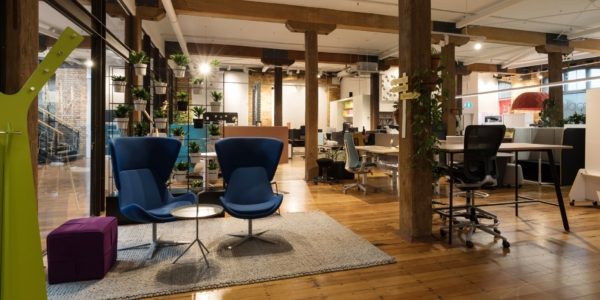
That shift has significant implications for how offices are furnished. Fixed rows of assigned desks are being replaced by a mix of collaborative settings, flexible touchdown zones, focus spaces and social areas. The furniture needs to support all of these in a single floor plate, often within a smaller total footprint than the pre-pandemic equivalent.
Modular desks, shared benching systems, mobile tables and flexible meeting configurations are increasingly standard in NZ workplace fit-outs. The measure of success is no longer occupancy but whether people choose to come in.
Wellbeing is now a design requirement, not a feature
Employee wellbeing has moved from a HR consideration to a design brief. Organisations that want to attract and retain people in a competitive market are investing in environments that genuinely support physical and mental health and not just ones that look good on a job listing.
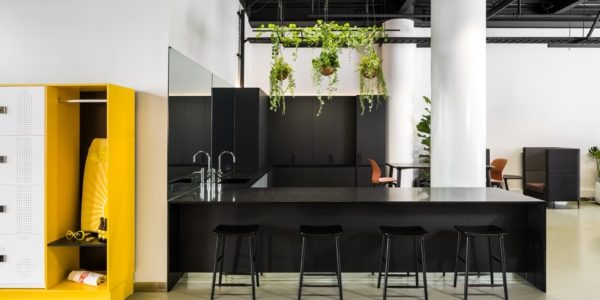
In practice that means ergonomic task seating that properly supports posture across a range of body types, height adjustable desks that encourage movement throughout the day, acoustic management that reduces noise fatigue in open plan environments, and biophilic elements that bring natural light, air quality and connection to nature into the workspace.
Poor seating and static postures contribute to fatigue, discomfort and long-term musculoskeletal strain. Investing in ergonomic office chairs is increasingly treated as a baseline obligation rather than a discretionary upgrade. This is particularly true as hybrid workers spend longer consecutive hours at a desk on office days than they might at home.
Acoustic design is becoming as important as layout
Open plan offices increased collaboration but also increased distraction. The response in 2026 is not to abandon open plan but is to build acoustic control into the design from the start.
Phone booths and meeting pods have become essential in modern NZ offices. They allow for confidential calls, focused work and virtual meetings without leaving the office floor, while acoustic screens and panels manage ambient noise across shared spaces.
The most effective approach balances openness with control by giving people genuine choice over their acoustic environment rather than forcing them to either work in noise or find a meeting room. That flexibility is one of the strongest levers organisations have for making the office feel more productive than working from home.
Sustainability expectations have shifted permanently
Clients, staff and stakeholders increasingly expect responsible procurement decisions and the furniture specification process is not exempt. In 2026 organisations are prioritising durable, long-life furniture over cheaper alternatives that require more frequent replacement, modular systems that can be reconfigured as needs change rather than replaced entirely, and suppliers with transparent environmental credentials and practices.
As Toitū Carbon Reduce certified, Europlan’s approach to product sourcing and specification is guided by our ESG strategy which means we can help organisations meet their own sustainability targets through the furniture choices they make, not just the buildings they occupy.
Sustainable specification is also financially smart. Products designed for longevity and refurbishment have lower total cost over their lifetime than cheaper alternatives, making the environmental and financial cases increasingly aligned.
Technology integration is now a furniture brief
Hybrid meetings, digital collaboration and flexible teams require technology that works seamlessly and furniture that supports it. In 2026 organisations are specifying AV-ready meeting tables with integrated power and data access, cable management systems that keep workstations clean and functional, and collaborative hubs designed around digital tools rather than retrofitted with them after the fact.
Technology integration is no longer a separate workstream from furniture specification. The most effective fit-outs treat them as a single brief from the start, which is why Europlan works alongside AV and technology partners on larger workplace projects to ensure furniture and technology decisions are made together.
What the best NZ workplaces have in common
The organisations getting workplace design right in 2026 share a few characteristics. They have planned for flexibility rather than optimising for a single use. They have invested in acoustic control alongside layout. They have treated ergonomics as a baseline rather than a premium. And they have chosen furniture that can evolve with the business rather than requiring a full replacement every five years.
If you are planning a workplace upgrade, relocation or redesign, Europlan’s team works with organisations across Auckland, Wellington and Christchurch to create fit-outs that perform now and adapt as your needs change.
Talk to our workplace design team or request a quote to get started.