
Six years of measuring what matters
Our latest certification gives us a clear picture of both: where we’re making progress, and the commitments we’re working towards across waste, freight and our wider emissions.
Sustainability is easy to talk about. Measuring it year after year is what tells us whether the decisions we’re making are actually having an impact.
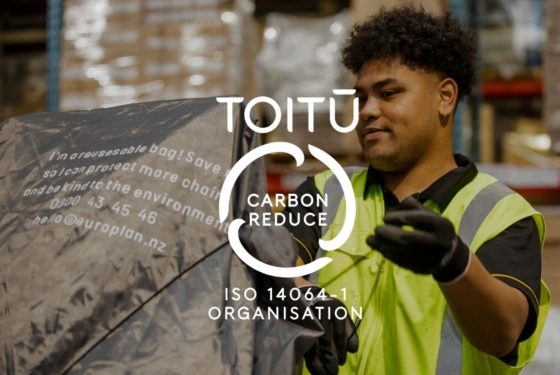
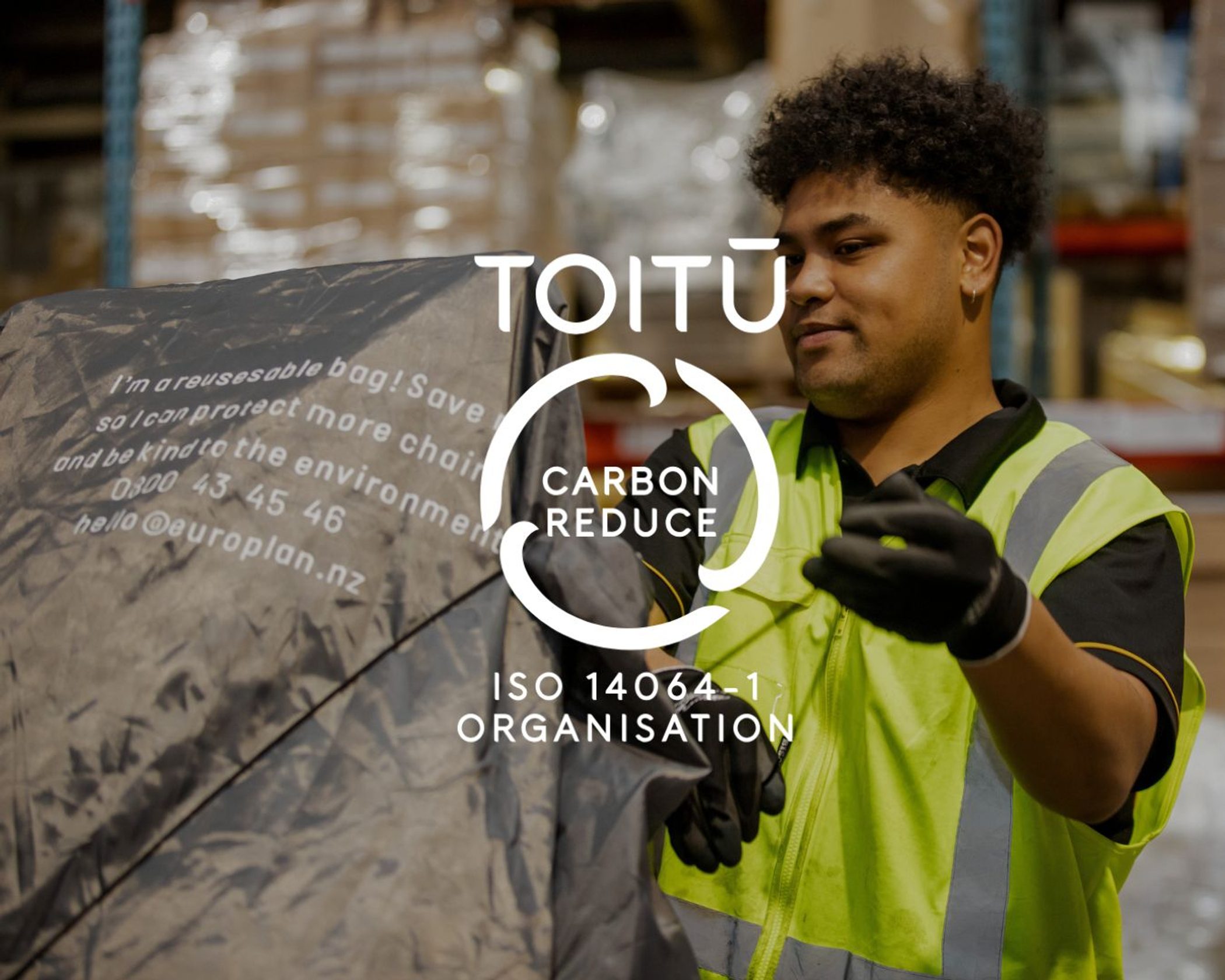
Our 2026 Toitū carbonreduce certification measures emissions across our operations, including our offices and warehouses, freight, fuel, electricity, business travel and waste.
This year’s independently verified results show a 2.28 tCO₂e/$M reduction in emissions intensity based on a five-year rolling average.
Our purchased electricity also recorded 0.00 tCO₂e in market-based emissions. During the reporting period, Europlan used 78,464 kWh of electricity, purchased through a renewable energy provider.
And within our operations, we’ve reduced waste sent to landfill by 30% compared with the previous reporting period.
For us, these numbers aren’t the end result. They’re information we can use to decide what needs to happen next.
Where we’re heading
Our latest Toitū certification also sets out clear commitments for the years ahead.
We’re working towards zero waste to landfill by 2027, a 10% reduction in sea freight import and local freight emissions by 2027, limits on flight emissions, and a reduction in total emissions across all categories by 2028.
Those targets matter because some of our biggest opportunities to reduce impact sit within the everyday movement and management of commercial furniture.
Turning targets into everyday decisions
For Europlan, reducing our impact is closely connected to how we deliver.
Furniture moves through procurement, freight and warehousing before it ever reaches a workplace. Then there is delivery, installation, packaging, ongoing servicing and eventually the question of what happens when that furniture is no longer required.
We’re continuing to look for improvements across that lifecycle.
Reusable furniture blankets and chair bags help reduce reliance on disposable packaging. Consolidating orders through our warehouses can reduce unnecessary deliveries. Route planning helps us use our delivery fleet more efficiently. And where practical, repairing, refurbishing and reconfiguring existing furniture can extend its useful life before replacement is considered.
They’re practical changes, but across the furniture we move and install around New Zealand each year, they add up.
Working towards zero waste
Our 30% reduction in waste sent to landfill this reporting period is one indication of where those everyday decisions are making a difference.
But our ambition goes further.
Our Toitū commitment is to reach zero waste to landfill by 2027. That means continuing to look beyond disposal and considering how products, components and materials can remain useful for longer.
It’s an approach that extends into the work we do with our clients too. Repair, refurbishment, furniture reconfiguration and responsible end-of-life options can help extend the value of an existing furniture investment while reducing unnecessary waste.
What comes next
Six years of Toitū carbonreduce certification has given us something more valuable than a snapshot of one year’s performance. It has given us a consistent way to measure change over time.
There is still plenty more to do.
We’ll continue measuring our emissions, reviewing the way we source and move furniture, reducing waste through our operations and looking for practical opportunities to improve how workplaces are delivered.
Because for us, sustainability isn’t a claim we make once a year.
It’s something we measure, work on and keep improving.
Our responsibility doesn’t stop when furniture arrives on site.